Pet Dental Care: Keep Your Pet’s Smile Healthy
Pet dental care focuses on keeping your pet’s mouth clean, comfortable, and free from disease that can affect daily life. Many pets continue eating, playing, and interacting even when dental problems begin, which makes oral health issues easy to miss. A healthy smile supports normal chewing, fresher breath, and a better quality of life as pets age. Dental disease often develops gradually, starting below the gumline before visible signs appear. That slow progression explains why routine dental evaluations matter. By learning what dental health involves and why it deserves attention, pet owners can make informed decisions that support long-term comfort and wellness.
This guide explains how pet dental care fits into overall veterinary medicine, what signs may point to dental trouble, and how professional cleanings support oral health. It also reviews how dental conditions can affect the rest of the body. If you have questions about your pet’s oral health, the team at Dundee Veterinary Clinic is available to help. You can always call us at (734) 529-2429 to schedule a dental evaluation.
Why Dental Health Matters for Pets
Dental health plays a meaningful role in how pets feel every day. Plaque forms on teeth shortly after eating, and without professional care, it hardens into tartar that irritates the gums. Over time, this irritation can lead to gingivitis and more advanced dental disease. These changes are not limited to the teeth alone. Oral bacteria can also travel to the heart, liver, and kidneys, damaging these organs and causing systemic infection.
Pet dental care also supports early detection of issues that cannot be seen during routine home interactions. Many dental problems begin beneath the gumline, where bacteria can thrive unnoticed. Veterinary dental exams allow trained professionals to assess tooth roots, gum health, and jaw structure. Identifying concerns early often helps limit progression and reduces the risk of complications. Consistent dental attention supports comfort, function, and long-term oral stability.
Common Signs of Dental Problems in Cats and Dogs
Dental disease often develops quietly, which makes awareness especially important for pet owners. Some signs appear gradually and may seem minor at first. Changes in breath odor are among the earliest indicators that bacteria are building up in the mouth. Gum redness or swelling may follow, even when teeth look intact at a glance. Brown or yellow tartar accumulation, especially along the gumline, will appear. Pets may also paw at their mouth or show hesitation when chewing harder foods.
Behavioral changes can also signal dental discomfort. A pet that once enjoyed toys or treats may lose interest due to mouth sensitivity. Drooling, dropping food, or chewing on one side of the mouth may indicate localized pain. In more advanced cases, loose or damaged teeth may be present. These signs suggest it is time to schedule a professional dental evaluation rather than waiting for symptoms to worsen.
Signs that often prompt a dental exam include:
- Persistent bad breath
- Red or bleeding gums
- Difficulty chewing or dropping food
- Pawing at the mouth or face
- Reduced appetite or behavioral changes
Recognizing these changes early allows veterinary teams to address dental concerns before they affect comfort and daily routines.
Professional Pet Dental Cleanings: What to Expect
Professional dental cleanings under general anesthesia allow veterinarians to fully evaluate and clean your pet’s mouth in ways that are not possible during a routine exam. The process begins with a thorough oral assessment, which helps the veterinary team understand the condition of the teeth, gums, and supporting structures. From there, hardened plaque and tartar are carefully removed from the tooth surfaces, including areas just below the gumline where bacteria often collect. This step helps reduce inflammation and limits the progression of dental disease.
After the teeth are cleaned, they are polished to smooth the surface. Polishing helps slow the return of plaque buildup and leaves the teeth feeling more comfortable. Throughout the procedure, pets are closely monitored to support safety and stability. The veterinary team also documents findings for each tooth, creating a clear record of your pet’s current dental health and any areas that need ongoing attention.
Dental X-Rays and Oral Exams
Dental X-rays play an important role in professional dental cleanings because they reveal what cannot be seen during a visual exam alone. Tooth roots, jawbone health, and the space beneath the gumline often show early signs of disease before changes appear on the surface. X-rays allow veterinarians to identify issues such as bone loss, infection, or damaged tooth roots that may otherwise go unnoticed.
When combined with a detailed oral exam, dental X-rays give the veterinary team a complete view of your pet’s mouth. This information helps guide appropriate next steps and supports long-term dental stability. By evaluating both visible and hidden structures, professional cleanings provide a more accurate understanding of your pet’s oral health.
At-Home Dental Care Tips for Your Pet
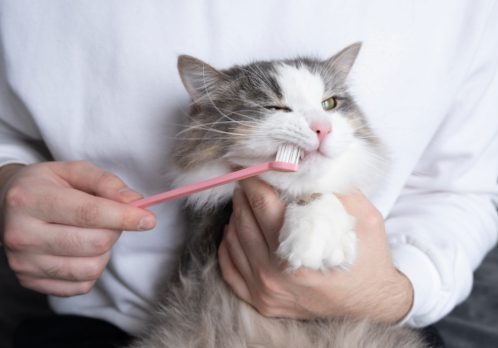
At-home routines can support professional pet dental care when used consistently and appropriately. Veterinary teams often discuss general strategies that help reduce plaque buildup between cleanings, such as toothbrushing, water additives, dental chews, and more. These strategies focus on maintaining oral cleanliness rather than replacing professional care. Every pet has different needs, so recommendations vary based on age, breed, and existing dental conditions.
Pet owners benefit from discussing dental products and routines with their veterinarian. Not all dental items marketed for pets meet safety or effectiveness standards. Guidance from a veterinary professional helps ensure that any at-home approach complements in-clinic dental care. This partnership between home awareness and professional evaluation supports better long-term outcomes.
General goals of at-home dental routines include:
- Reducing plaque accumulation
- Supporting gum health
- Monitoring the mouth for visible changes
While these steps do not replace professional cleanings, they help reinforce ongoing dental health between veterinary visits.
How Dental Health Impacts Overall Well-Being
Dental disease does not stay confined to the mouth. Bacteria associated with periodontal disease can enter the bloodstream and circulate throughout the body. Over time, this spread may place strain on internal organs such as the heart, liver, and kidneys. Maintaining oral health therefore supports more than fresh breath. It contributes to systemic wellness that affects how pets feel and function.
Pets with healthy mouths often maintain better appetite, energy levels, and social engagement. Addressing dental disease may improve comfort during eating and reduce chronic inflammation. Pet dental care also supports longevity by limiting the effects of untreated oral infection. This broader impact explains why veterinarians emphasize dental evaluations as part of routine wellness care rather than viewing them as optional services.
A Healthy Smile Is a Lifelong Gift
A clean, comfortable mouth supports your pet’s ability to eat, play, and interact with confidence at every life stage. Pet dental care combines professional expertise with informed pet ownership to address issues early and maintain oral stability over time. Understanding what dental health involves allows you to recognize changes and act promptly.
If you have questions about your pet’s oral health or want to schedule a dental evaluation, contact Dundee Veterinary Clinic today. Call us at (734) 529-2429 to learn more about professional dental services and how they support your pet’s long-term comfort and wellness.
Recent Posts
About Us
At Dundee Veterinary Clinic, we cherish your pets as part of your family, and we value your role as their primary caregiver. Through honest communication, education, and support for your pet’s needs, our veterinarians aim to provide them with a lifetime of excellent care. We want to ensure that you and your companions get to spend many happy years together.