
Cat Nails: Care, Trimming, and Health Tips
Many pet owners notice their cat’s nails when they start clicking on the floor, catching on furniture, or curling more than expected. These small changes often raise questions about whether nail trimming is needed or if something else is going on. Cat nails grow continuously and respond to factors like age, activity level, and scratching habits. Understanding how nails change over time helps pet owners recognize when routine maintenance or veterinary evaluation may be helpful. This guide walks through what to know about cat nails, trimming frequency, and signs that deserve attention.
Understanding Your Cat’s Nails and Their Growth
Cat nails grow continuously throughout life, much like human fingernails, but their structure and function differ in important ways. Each nail curves slightly and retracts when not in use, which protects the nail and allows for silent movement. This retractable design supports hunting instincts, climbing, and self-defense, even for indoor cats who never leave the couch. Growth rates vary by age, activity level, and environment, which means no two cats experience nail changes in the same way.
Scratching plays a major role in nail health. When cats scratch, they shed the outer nail sheath, revealing a sharper surface underneath. This process supports normal wear and keeps nails from becoming overly thick. Cats who scratch regularly often maintain healthier nail length, while cats who scratch less may experience faster buildup. Indoor cats, senior cats, and cats with mobility changes often fall into this category.
The quick, or blood supply within the nail, grows along with the nail itself. As nails lengthen, the quick may extend further toward the tip, which can make trimming more challenging over time. This is one reason consistent monitoring matters. Paying attention to nail length and shape helps pet owners spot changes early and discuss them during routine veterinary visits.
How Often Should You Trim Your Cat’s Nails?
There is no universal schedule that fits every cat, but most cats benefit from regular nail checks every few weeks. Some cats wear their nails down naturally through activity and scratching, while others experience noticeable growth that interferes with comfort. Age plays a role here, since kittens and young adults often shed nail sheaths more efficiently than older cats. Senior cats, in particular, may require more frequent attention due to reduced activity.
Lifestyle also influences how often trimming may be discussed. Cats who live exclusively indoors typically experience less natural wear than cats who spend time climbing or exploring. Multi-cat households may see different nail needs for each cat, even when they share the same environment. Observing behavior, posture, and movement offers helpful clues.
Rather than focusing on a strict timeline, many veterinarians recommend watching for physical signs that nails are becoming too long. When nails begin to curve into the paw pad or catch on fabric, it signals that attention is needed. Discussing nail care during wellness exams allows the veterinary team to assess growth patterns and recommend an appropriate schedule tailored to each cat.
Tools and Techniques for Safe Nail Trimming
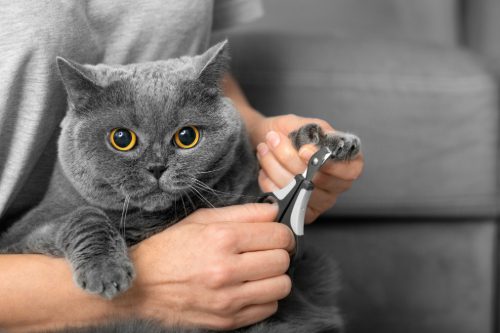
Nail trimming involves more than simply shortening the tip of the nail. The goal focuses on maintaining comfort while avoiding injury to the quick. Veterinary professionals use specialized tools designed specifically for cat nails, which differ from human nail clippers. These tools provide better control and cleaner cuts, reducing the risk of splitting.
Proper positioning and restraint matter just as much as the tools themselves. Cats often feel vulnerable during nail handling, which can lead to stress or sudden movement. Veterinary teams are trained to support cats in ways that reduce anxiety and allow safe access to the paws. This approach helps protect both the cat and the person performing the trim.
Professional Nail Trimming at the Veterinary Clinic
Veterinary nail trims offer several advantages beyond convenience. During a professional trim, the team evaluates nail thickness, growth direction, and signs of underlying issues. Overgrown or misshapen cat nails may signal mobility changes or discomfort that deserves closer attention. A trained eye can identify subtle concerns that are easy to miss at home.
Professional trims also reduce the risk of cutting into the quick, which can be painful and stressful. For cats who resist handling or have medical conditions affecting their paws, veterinary care provides a controlled and supportive environment. If you have questions about nail trimming services, call us at (734) 529-2429 to speak with the team at Dundee Veterinary Clinic.
Signs Your Cat’s Nails Need Attention
Changes in cat nails often appear gradually, making them easy to overlook. Watching for physical and behavioral signs helps catch issues early. Nails that grow too long may curl toward the paw pad, increasing the risk of skin irritation or infection. Thickened or brittle nails may indicate reduced shedding of the outer sheath.
Behavioral changes also offer insight. Cats with overgrown nails may hesitate to jump, climb, or scratch as usual. You may notice altered posture, reduced play, or changes in how your cat walks across smooth surfaces. In some cases, nails may snag on carpets, blankets, or furniture, which can cause sudden discomfort.
Common signs that cat nails need evaluation include:
- Nails that visibly curve or twist
- Clicking sounds when walking on hard floors
- Nails catching on fabric or carpet
- Redness or swelling around the nail bed
These signs do not diagnose a problem but do suggest that a closer look is worthwhile. Bringing these observations to your veterinarian supports early intervention and helps maintain long-term comfort.
When to Seek Veterinary Help for Nail Issues
Some nail concerns go beyond routine maintenance and benefit from veterinary evaluation. Broken nails, bleeding, swelling, or discharge around the nail bed warrant prompt attention. These signs may indicate infection, trauma, or underlying health conditions that affect nail growth. Cats are skilled at hiding discomfort, so visible nail changes often mean the issue has progressed.
Nail problems can also connect to broader health factors. Arthritis, weight changes, and neurologic conditions may alter how a cat moves and scratches, which in turn affects nail wear. In these cases, nail changes act as a secondary sign rather than the primary issue. Veterinary teams consider the full picture when evaluating nail health.
Nail Changes Linked to Age and Mobility
As cats age, nail care often becomes more important. Senior cats may scratch less frequently, leading to thicker, longer nails. Reduced flexibility can make self-grooming more difficult, increasing the likelihood of overgrowth. Regular veterinary visits help monitor these changes and adjust care recommendations accordingly.
If your cat shows persistent nail issues, discomfort, or changes in movement, scheduling a veterinary visit supports accurate assessment. Dundee Veterinary Clinic provides nail evaluations as part of comprehensive wellness care. To discuss concerns or schedule an appointment, call us at (734) 529-2429.
Supporting Long-Term Nail Health Through Routine Care
Healthy cat nails rely on consistent observation and professional support rather than reactive care. Routine wellness exams allow veterinarians to track nail growth patterns over time and identify gradual changes. These visits also provide opportunities to address scratching behavior, mobility, and comfort as a whole.
Environmental factors matter as well. Scratching surfaces placed in accessible, comfortable locations encourage natural nail shedding. Cats prefer different textures and angles, so variety supports regular use. While scratching does not replace trimming in every case, it contributes to balanced nail wear.
Open communication with your veterinary team strengthens nail care outcomes. Sharing observations about activity, behavior, and nail appearance helps guide individualized recommendations. Nail health may seem like a small detail, but it connects closely to daily comfort and quality of life.
Nail Care as Part of Preventive Veterinary Visits
Cat nails often receive attention only when a problem becomes obvious, yet they offer valuable insight into comfort, mobility, and routine habits. By understanding how nails grow, recognizing when they need attention, and involving a veterinary team when concerns arise, pet owners stay ahead of avoidable discomfort. Nail care fits naturally into preventive veterinary care, supporting comfort at every stage of life.
If you have questions about cat nails or would like professional nail trimming for your cat, the team at Dundee Veterinary Clinic is here to help. Call us at (734) 529-2429 to schedule an appointment or learn more about our feline care services.
Recent Posts
About Us
At Dundee Veterinary Clinic, we cherish your pets as part of your family, and we value your role as their primary caregiver. Through honest communication, education, and support for your pet’s needs, our veterinarians aim to provide them with a lifetime of excellent care. We want to ensure that you and your companions get to spend many happy years together.