
Dog Tick Prevention: Keep Your Pet Safe
Dog tick prevention focuses on reducing a dog’s risk of exposure to ticks and the diseases they can carry. For many families in southern Michigan, ticks are part of the outdoor landscape, whether dogs enjoy wooded trails, grassy yards, or neighborhood parks. A single tick bite can introduce organisms that affect a dog’s comfort, energy level, and long-term health. That is why dog tick prevention remains an important part of year-round veterinary care and ongoing parasite awareness.
Ticks are more than seasonal nuisances. They are active across multiple months and continue to adapt to changing weather patterns. Understanding how ticks affect dogs, where risks exist, and how veterinarians approach prevention helps pet owners make informed decisions while keeping care grounded in professional guidance.
Why Tick Prevention Is Essential for Dogs
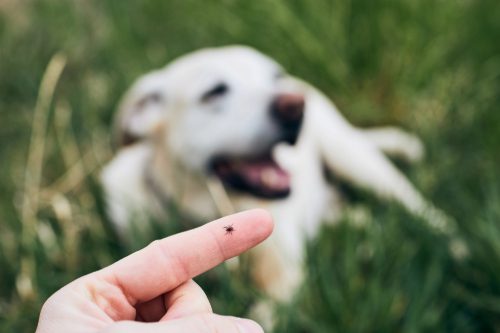
Dog tick prevention supports overall canine health by reducing exposure to parasites known to transmit disease. Ticks attach to dogs while feeding on blood, often going unnoticed due to their small size or hidden locations under fur. Once attached, they can transmit bacteria or other pathogens into the bloodstream. This makes tick exposure a health concern rather than a simple skin issue.
Dogs in Michigan face particular risk because ticks thrive in wooded areas, tall grass, leaf litter, and even suburban lawns. As development expands into natural spaces, dogs encounter ticks during routine activities like walks or backyard play. Preventive strategies help limit these risks before illness develops, rather than reacting after symptoms appear.
Consistent dog tick prevention also helps protect households. While ticks prefer animal hosts, they can travel indoors on dogs and increase exposure risks for people. Addressing tick prevention as part of routine veterinary care supports the health of pets and the environments they share with their families.
Common Tick-Borne Diseases in Dogs
Ticks can transmit several diseases that affect dogs in different ways. Some illnesses cause mild, short-term signs, while others lead to ongoing or serious health challenges. Awareness of these diseases helps pet owners understand why veterinarians emphasize prevention rather than waiting for symptoms.
Lyme disease is one of the most widely recognized tick-borne illnesses in dogs. It can affect joints, appetite, and energy levels, and in some cases may impact kidney function. Other tick-borne conditions, such as ehrlichiosis and anaplasmosis, may cause fever, lethargy, bruising, or changes in blood cell counts. These diseases can be difficult to identify early because symptoms may be vague or delayed.
Why Early Detection Can Be Challenging
Tick-borne diseases do not always cause immediate or obvious signs. Some dogs appear normal for weeks or months after exposure. This delay makes routine screening and preventive planning especially important. Veterinary teams rely on diagnostics, history, and regional risk factors to evaluate potential exposure. Dog tick prevention helps reduce the likelihood that these diseases develop in the first place.
Effective Methods for Preventing Ticks
Veterinary-guided dog tick prevention includes a range of topical and oral options tailored to a dog’s lifestyle, environment, and health history. Prevention plans are designed to reduce tick attachment and limit the chance of disease transmission. Because no two dogs share the same risk profile, veterinarians consider multiple factors when recommending prevention strategies.
Dogs that spend time hiking, hunting, or exploring wooded areas may face different exposure levels than dogs primarily indoors. Seasonal weather patterns, regional tick populations, and travel history also influence preventive planning. Ongoing communication with a veterinarian helps ensure that prevention remains appropriate as a dog’s needs change.
Dog tick prevention is most effective when addressed proactively rather than reactively. Waiting until a tick is found or symptoms appear can limit available options and complicate care. Preventive discussions allow veterinary teams to focus on risk reduction, monitoring, and long-term wellness.
How to Check Your Dog for Ticks
Routine observation plays a role in dog tick prevention by helping pet owners notice changes that may warrant veterinary attention. Ticks often attach in areas where skin is thinner or where collars and harnesses create warmth. Common locations include around the ears, under the collar, between toes, and along the belly.
Checking a dog after outdoor activity helps increase awareness of what is normal for that pet’s skin and coat. Changes such as new bumps, irritation, or unusual sensitivity may signal a need for further evaluation. While pet owners should avoid attempting medical intervention, noting concerns and sharing them with a veterinarian supports timely care.
What to Watch For Between Visits
Signs associated with tick exposure may include changes in energy, appetite, or mobility. Some dogs show stiffness, sensitivity to touch, or behavioral shifts. These signs do not confirm a tick-borne disease on their own, but they provide valuable context for a veterinary exam. Dog tick prevention works best when paired with ongoing observation and professional guidance.
When to See Your Veterinarian
A veterinarian should evaluate any concerns related to tick exposure, changes in health, or questions about dog tick prevention. Professional assessment allows for appropriate testing, diagnosis, and care planning based on a dog’s individual needs. Early evaluation can reduce complications and support better outcomes.
Veterinary visits also provide an opportunity to review prevention strategies and update them as needed. As dogs age, move, or experience lifestyle changes, their tick exposure risk may shift. Regular conversations with a veterinary team help keep prevention aligned with current conditions rather than relying on outdated assumptions.
If you have concerns about ticks, prevention options, or changes in your dog’s behavior, contact Dundee Veterinary Clinic. Our team can discuss dog tick prevention within the context of your pet’s health history and local risk factors. To schedule an appointment or speak with a team member, call us at (734) 529-2429.
A Safer Path Through Tick Season
Ticks may be part of the environment, but they do not have to define a dog’s outdoor experience. Dog tick prevention allows pets to enjoy walks, playtime, and exploration with fewer health concerns. By understanding tick risks, staying alert to changes, and partnering with a trusted veterinary team, pet owners support long-term wellness without guesswork.
If you would like to learn more about dog tick prevention or have questions specific to your pet, call us at (734) 529-2429 to speak with the team at Dundee Veterinary Clinic. Thoughtful prevention today helps support healthier tomorrows for dogs throughout Dundee and the surrounding communities.
Recent Posts
About Us
At Dundee Veterinary Clinic, we cherish your pets as part of your family, and we value your role as their primary caregiver. Through honest communication, education, and support for your pet’s needs, our veterinarians aim to provide them with a lifetime of excellent care. We want to ensure that you and your companions get to spend many happy years together.